Plant Allies – Exploring Plant Medicine Through the Lens of our Project Partners By Mary Olivar, Vice President
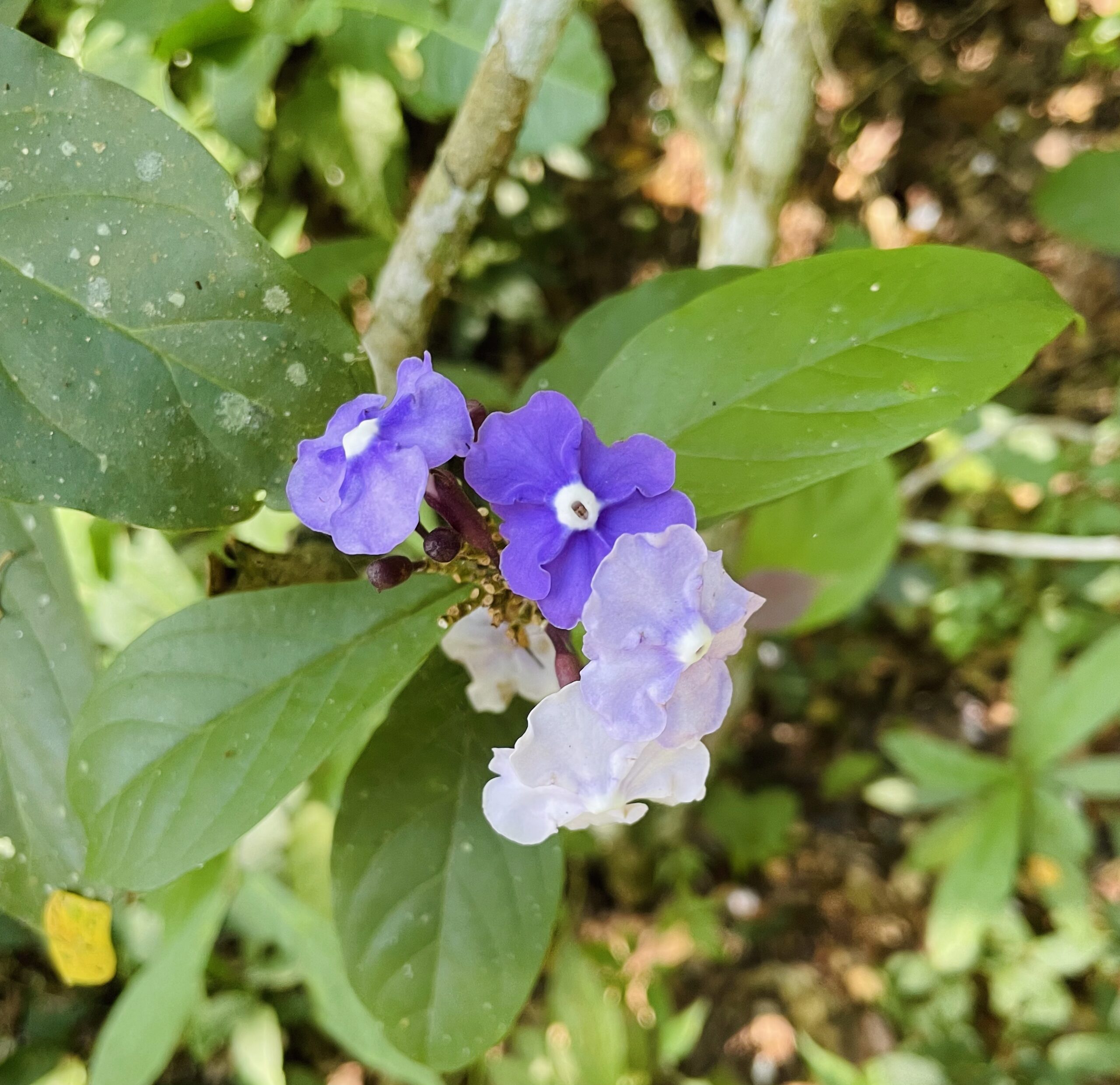
A core ideology of Indigenous cosmologies is animism, the belief that there is a spirit, a life force, in all of nature. This includes plants, animals, places, waters, stones, celestial bodies, and weather. All of these things, and more, are animate, and contain a spirit that can be connected and communicated with. Through ongoing prayers and devotion, a relationship is built with these elemental spirits. For many of our Indigenous partner communities, plants hold a particularly significant role in their heritage and in their spiritual practices, as well as in supporting health and treating illness.
These sacred plants are considered to be wise teachers and protectors, and hold great medicine and guidance. Often these plants are referred to quite affectionately, and called “grandmother” or “grandfather”. They are prayed to, sung to, and featured in artwork and traditional clothing.
Read on to learn about how some of the communities we partner with interact with these plant allies.
Kurin Metsa School Project — Shipibo Conibo Plant Allies
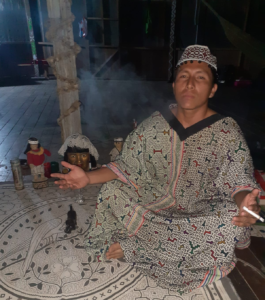
One of the Center for Shamanic Education and Exchange’s ongoing projects supports Shipibo traditions at the Kurin Metsa School of Shamanism. The school is located in the Shipibo-Conibo community of San Francisco, in the Ucayali region of Peru, near Yarinacocha. This community includes around 300 families. The Ucayali River basin is the main headstream for the Amazon River. This area is rich in plant life and biodiversity. This school is led by Enrique Flores Sinuiri, an elder Onanya* who carries the wisdom of his parents, grandparents, and ancestors. Enrique is masterful in his plant knowledge and experience. He imparts this understanding of plants, their medicines, and their properties to his students through experiential learning. It is Enrique’s goal and the goal of the Kurin Metsa School to keep the wisdom of the Shipibo alive and active amongst the younger generation. *Onanya is the Shipibo term for Shaman
I come from a family of healers, and my desire is to transmit my knowledge and wisdom to future generations with the purpose of preserving Shipibo culture”.
Enrique Flores Sinuiri
 To gain a deeper understanding of the energies and medicine each plant offers, the students experience month-long plant diets, or “samas”. Each sama involves a period of fasting and only ingesting a certain plant brew to gain a relationship with that plant and to understand its unique energy and the particular kind of medicine and vibration that plant carries. This is a time of concentration, contemplation, and reflection, to allow the participant to connect deeply with the plant, to communicate with it, and to build a close relationship. During this time in communion with these plant teachers, the students also learn icaros, the sacred songs that embody healing vibrations of particular plants and allies and are a foundational part of Shipibo healing traditions. In a dieta, the plants are their books, their teachers.
Click here to view and purchase hand stitched clothes from this Shipibo community that hold the qualities of these plant allies.
 Even after the dieta is over, the connection and relationship that has been established with each particular plant continues to develop. The students continue to commune with each plant regularly, to receive further teachings and to keep learning from them. One student shared that she finds that the best time to connect to these plant allies is early in the morning, when the plants are opening up to the new day, and rejoicing in the cooler temperatures.
In addition to dieting with particular teacher plants, Kurin Metsa students learn about many local plants, their components, and its effects as well as ways to prepare these plants for medicinal uses. Through your donations, the Center has supported the school in establishing a medicinal garden to grow medicinal plants that were becoming scarce or requiring the Shipibos to travel long distances to acquire. https://shamaniceducation.org/preserving-shipibo-wisdom-with-the-kurin-metsa-school/
“I have learned to transform myself more and be a person dedicated to plants. The plants themselves are counting on me to continue with them. So I have to be guided by the plants, to try to see what they want to teach me, to continue to be connected with them.”
Edith Maribel Murayari Flores, Kurin Metsa Senior Student
As Juan Enrique, another Kurin Metsa student shares, “For the Shipibos, it is the plants that help people to heal. They feel happy. They also have more faith in plants than in hospitals. It is very good for the Shipibos to be with the plants more than in the hospitals. The plants are the teachers and they are the ones that guide the Shipibos. Sometimes the same plants tell you how to prepare your remedies — how you have to take it. How to prepare it. How long the person should take the remedy. What they should not eat and what they can eat. All this is coming from the healing of the plants.”
Wirikuta Project — Protecting Sacred Plants and Land
For many years, The Center has worked in cooperation with the Wixarika people to support projects focused on their spiritual practices. The Wixarati, or Huichol, are primarily based on the Sierra Madre Occidental mountain range, but pilgrimages to sacred sites and lands has been a deeply integral part of their cultural heritage and spiritual practices.
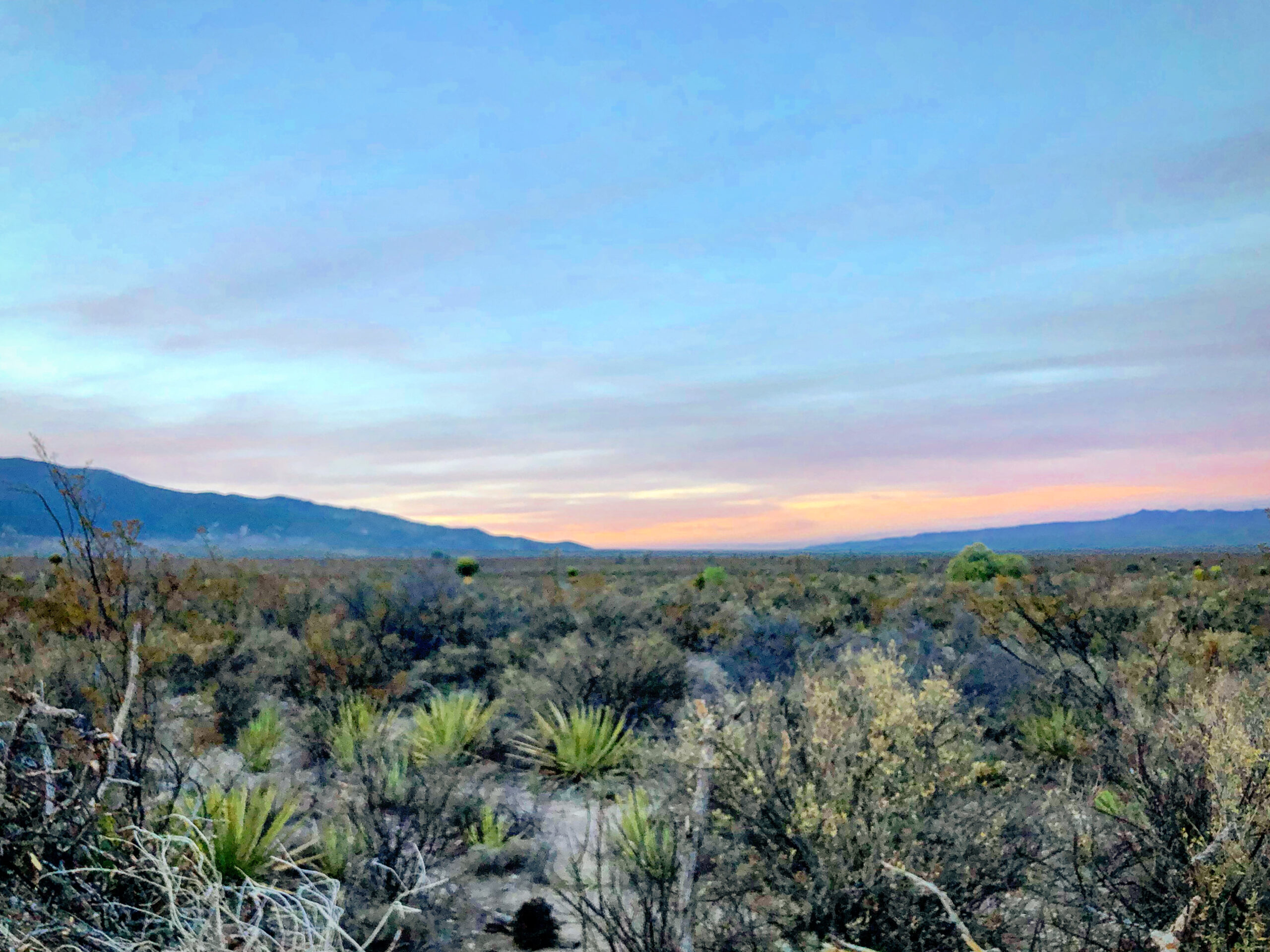 The land of Wirikuta, also known as the Peyote Gardens, and the adjacent mountain peak of Cerro Quemado, hold great importance to the Wixarika people. In addition to being a main source for their ceremonial sacrament, the cactus Hiruki, or peyote, this lands and the nearby mountains, have been sites of ceremony, gathering, and prayer for millena for the Wixaritari. Hiruki is a sacred teacher, revered ally, and a foundational aspect of the Wixarika spiritual practice, holding a prominent role in their heritage, beliefs, and cosmology. Hiruki is also referred to with great love, as Abuelo, Grandfather. But peyote needs very particular conditions to grow. Additionally, it is a very slow growing plant. Currently its natural habitat is facing immediate threats by development including large agricultural projects, which are rapidly destroying the natural landscape of Huiricuta.
To protect these sacred lands and their native sacred plants, along with the Wixarika culture, wisdom, and medicine, The Center is supporting the The Real de Catorce Project as they seek full UNESCO World Heritage status for the Huiricuta Natural and Cultural Reserve. Our funding supports Wixarika elders and leaders with their involvement and input in this project and is done in conjunction with our partner, Conservación Humana AC (CHAC), an organization with great experience in the conservation and research of the biocultural heritage of Huiricuta and the Wixarika sacred territories. More details of this work can be found here. https://shamaniceducation.org/supporting-the-wixaritari-in-preserving-their-lands-and-heritage/
Chichicastenango, Guatemala Project — Mayan Medicinal Gardens
The Center partnered with Saq’ Be, a nonprofit organization for Mayan and Indigenous spiritual studies that was formed over twenty years ago at the request of Mayan elders, to support Mayan healers in Chichicastenango, Guatemala. The project engaged local elders in elevating traditional healing knowledge and wisdom through a medicinal sacred plant garden.
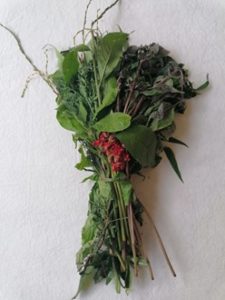
Through your support and donations, Mayan elders Juan and Miguel León Cortez have been overseeing the growing and harvesting of healing plants for their community. Using their calendars and traditional ceremonies, Juan and Miguel approached the creation of this garden from a place deeply rooted in and guided by their spiritual knowledge. Included in the garden are “Siete Montes” seven different medicinal plants that when united and working together possess a great power to purify, this is why they are used in ceremonies of energetic cleansing. These plants include Rosemary, Basil, Mugwort, and Myrtle.
Your purchase from our online shop makes a difference! Our shop provides you with an opportunity to purchase one-of-a-kind, hand made items that come directly from the Shipibo and Huichol people we work with. 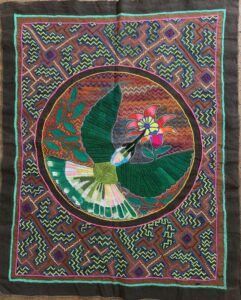
Browse Indigenious artisanal goods here. https://shamaniceducation.org/shop/
Your donations support our projects, helping us continue our mission to perpetuate the shamanic wisdom, culture, practice, and traditional ways of life of Indigenous people worldwide. Please accept our gratitude for your continued support and contributions.
Thank you for being a part of our vision for a future that values the unique wisdom and culture of Indigenous peoples and for your generous part in supporting this vision.
https://shamaniceducation.org/get-involved/donate/